
Top 10 Most Common Reasons for Divorce in the United States
Sep 30, 2026
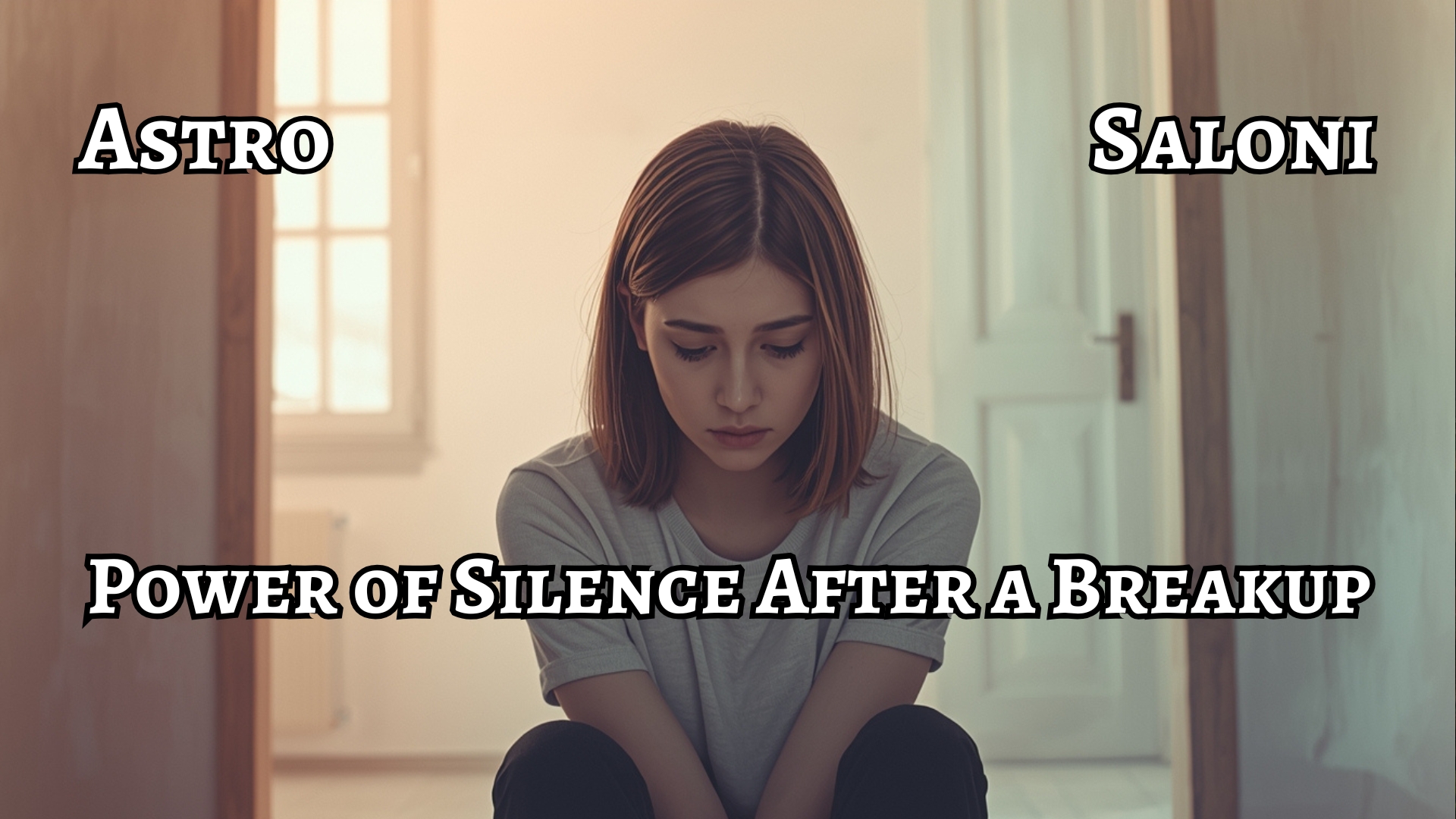
Breakups rarely end cleanly. Even when a relationship is clearly over, the mind keeps replaying conversations, searching for closure, and looking for one more chance to say something that might change things. This is exactly where the power of silence after a breakup becomes relevant — not as a strategy to control someone else, but as a way to protect your own emotional recovery.
Silence, used with intention, is not about punishing an ex or forcing them to react. It is about giving yourself the room to process pain, rebuild your sense of self, and respond to the situation from a place of clarity instead of panic.
Silence after a breakup does not mean coldness, revenge, or pretending you feel nothing. It simply means choosing not to reach out, explain yourself repeatedly, or seek constant reassurance from someone who is no longer part of your daily life.
For many people, this looks like:
Used this way, silence becomes a form of emotional healing after a breakup, not a tactic aimed at someone else's behavior.
Right after a breakup, emotions run high. The urge to call, text, or ask "why" one more time can feel urgent and necessary. But acting on that urge often deepens the hurt rather than resolving it.
Constant contact right after a split can:
Slowing down, even briefly, allows the initial shock to settle before any decision is made about what to say or do next.
It's important to draw a clear line here. Healthy silence is chosen for your own wellbeing. Silent treatment, on the other hand, is used deliberately to hurt, control, or manipulate another person's emotions.
Healthy silence sounds like: "I need space to process this and understand my own feelings."
Manipulative silence sounds like: "I'll ignore them until they panic and come back."
The first is rooted in self-respect. The second is rooted in control, and it rarely leads anywhere healthy — for either person. Genuine recovery has nothing to do with making someone anxious; it has everything to do with restoring your own peace.
A no-contact period after breakup is a defined stretch of time during which you avoid calls, texts, and social media interaction with an ex. It is one of the most commonly recommended tools in relationship recovery, and for good reason.
During this time, many people notice:
It's worth being honest here: no-contact is not a guaranteed formula, and it doesn't work identically for everyone. Some relationships end for reasons that no amount of space can resolve. The value of no-contact lies in what it does for you, not in what it might do to someone else.
One of the most underrated benefits of silence after a breakup is the honest self-reflection it allows. Without the noise of ongoing conversations or arguments, patterns become easier to see.
Questions worth sitting with during this time include:
This kind of self-reflection after a breakup is rarely comfortable, but it's often where real growth begins.
Long relationships often blur the line between "us" and "me." After a breakup, many people find they've lost touch with hobbies, friendships, or even personal opinions they once had.
Rebuilding self-respect after a split usually involves:
This process takes time, and it looks different for everyone — but it's central to moving on after a breakup in a way that actually lasts.
This is one of the most common questions people search for, and it deserves an honest answer. Reduced contact can sometimes lead an ex to notice your absence. People occasionally do reflect more on a relationship once the constant communication stops.
But this outcome is never guaranteed, and it should never be the primary reason for choosing silence. Relationships are shaped by many factors — timing, compatibility, personal circumstances, and mutual effort — that silence alone cannot control.
It would be misleading to suggest that silence is a formula for getting an ex back. It isn't. Some relationships are genuinely over, and no amount of space changes that reality.
What silence can do is give you clarity about what you actually want — whether that's eventual reconciliation, a respectful goodbye, or simply peace of mind. Treating silence as a guaranteed tool for reconnecting with an ex sets people up for disappointment and often delays real healing.
There is no universal number of days or weeks that works for everyone. The right length depends on the relationship's history, how the breakup happened, and how you're feeling emotionally.
Some general guidance people find useful:
Rather than counting days, pay attention to how you feel when you imagine seeing or hearing from your ex. That reaction is often a better guide than any calendar.
Readiness looks different for everyone, but a few signs tend to show up consistently:
If contact resumes before these signs appear, old patterns can resurface quickly.
Even well-intentioned no-contact periods can go off track. Common missteps include:
Awareness of these patterns makes it easier to stay grounded in the actual purpose of the break — your own recovery.
Time spent away from an ex is most useful when it's filled with something constructive. Helpful areas to focus on include:
None of these erase the pain of a breakup, but together they support steady, realistic relationship recovery.
For some people, breakup grief runs deeper than day-to-day sadness — it can affect sleep, appetite, work, or a general sense of stability. In these situations, speaking with a licensed therapist or counselor can offer support that self-reflection alone may not provide.
There is no fixed threshold for when to seek help. If sadness feels prolonged, overwhelming, or hard to manage alone, reaching out to a mental health professional is a reasonable and often valuable step. Organizations such as the American Psychological Association offer resources on finding qualified support.
The power of silence after a breakup isn't about winning, punishing, or forcing someone to come back. It's about protecting your own peace long enough to think clearly, grieve honestly, and rebuild a life that doesn't depend on someone else's response.
Used with intention, silence supports emotional healing after a breakup, restores self-respect, and creates the conditions for genuine clarity — whatever that clarity ultimately points toward. There are no guarantees in matters of the heart, but there is real value in choosing steadiness over reaction, and self-respect over uncertainty.